Common Mistakes in Building and Operating Ice Rinks
Common Mistakes in Building and Operating Ice Rinks (and How to Avoid Them)
An ice rink is attractive for the public, sports clubs, and municipalities. However, to function well and last for many years, it is necessary to properly design not only the ice surface itself but also the technologies and operational procedures. Mistakes that are often repeated can have serious consequences for ice quality, operating costs, and the lifespan of equipment.
Construction Mistakes
Poor ground insulation
If the ground is not properly insulated, it leads to energy losses, frozen soil, and surface stability problems.
Undersized cooling system
Insufficient cooling capacity causes difficulties in maintaining ice at higher temperatures and significantly increases operating costs.
Operational Mistakes
Inadequate dehumidification
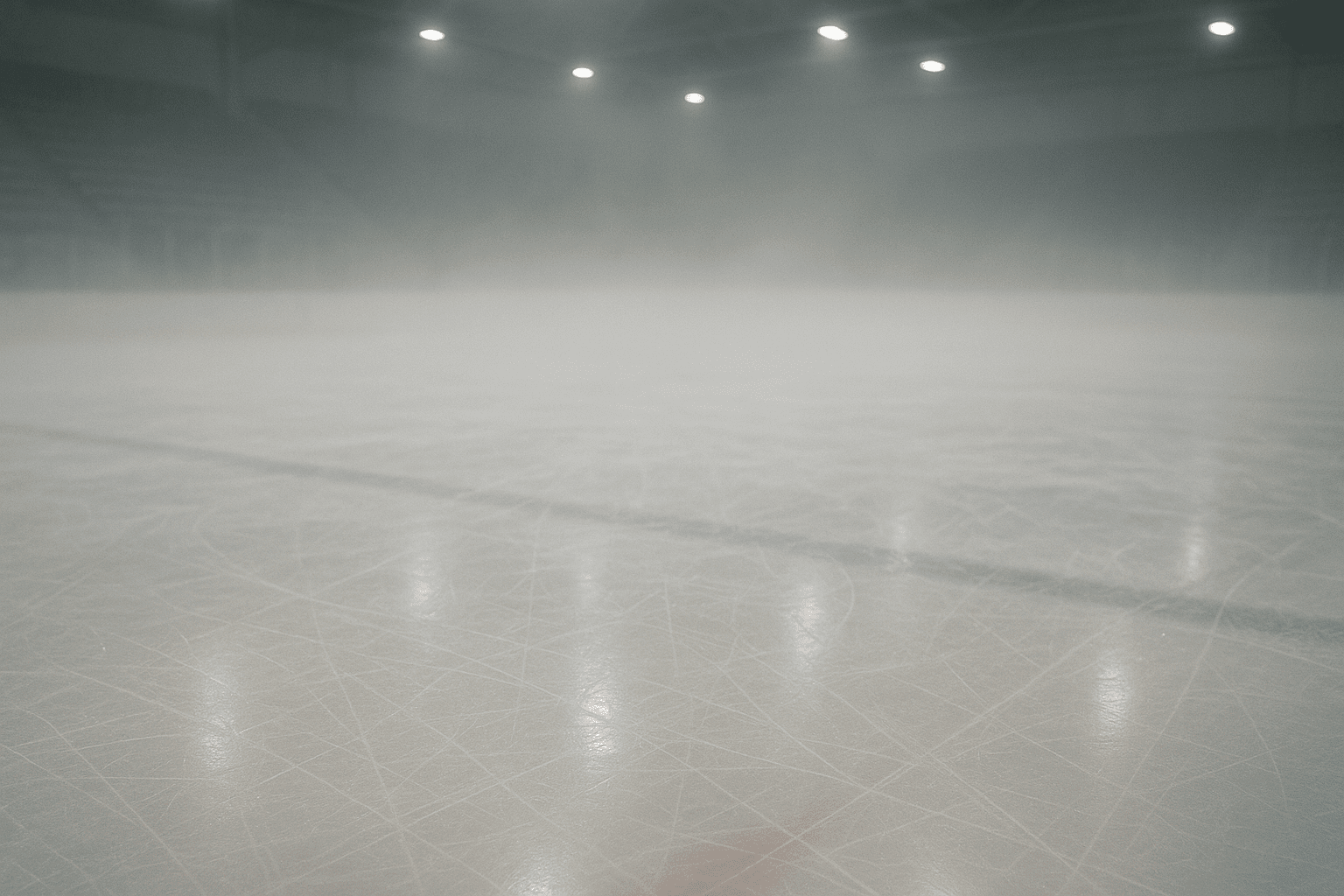
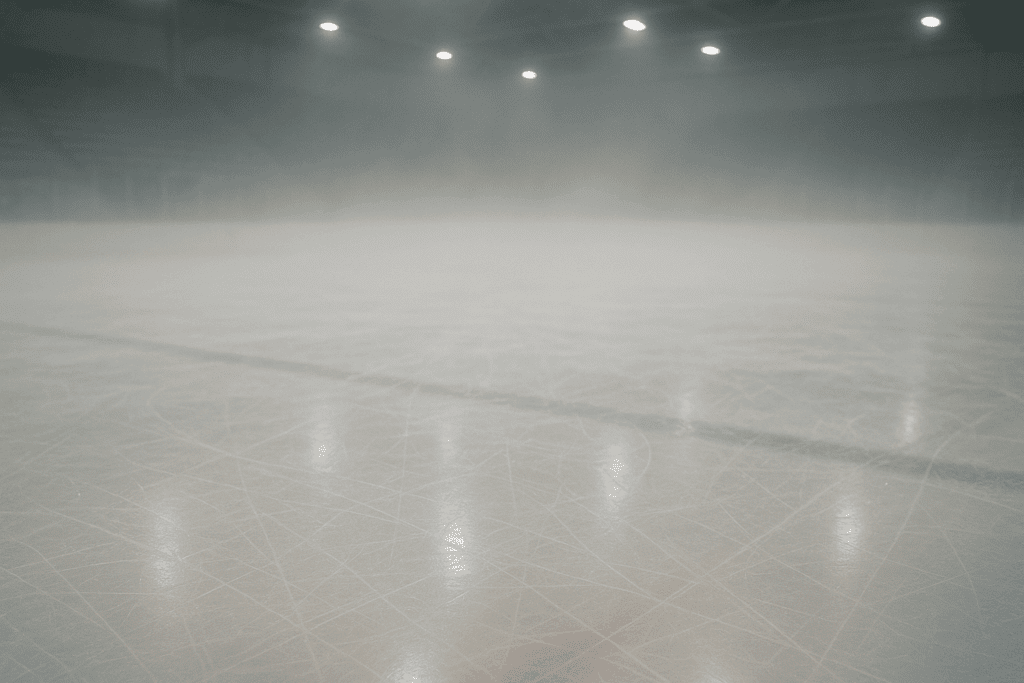
In ice arenas, high humidity creates fog and dripping condensation. This freezes on the surface and forms ice pillars, while also accelerating ice melting.
Incorrect water temperature for resurfacing
Water that is too cold produces a poor-quality ice layer and reduces its strength. Water that is too hot unnecessarily increases ice production costs.
Consequences of Mistakes
higher energy and maintenance costs,
poorer ice quality for skating and hockey,
shortened lifespan of technologies,
dissatisfied users and reduced rink attractiveness.
Practical Solutions
Integrated cooling and distribution systems directly in the sports surface,
Monitoring and automation – control of temperature, humidity, and energy consumption,
Experienced partner – professional design and implementation that eliminate errors from the start.
ICE Professional – Your Partner for Perfect Ice Rinks
ICE Professional has many years of experience in the construction and operation of ice rinks. Our solutions combine modern technology, low operating costs, and uncompromised ice quality.